

The Future of Food Security in Kuwait from local Farms: Innovation and technology in supporting local production
At the heart of Kuwait’s future lies food security. This talk explores how innovation and technology empower local farmers, strengthen supply chains, and inspire a culture that values and consumes homegrown products for a sustainable tomorrow.
Kuwait’s agricultural sector operates within a hyper-arid desert environment characterized by extreme temperatures (exceeding 45°C), negligible rainfall (averaging 121 mm annually), and sandy soils with poor nutrient and water retention. Despite these constraints, the nation is pursuing a strategic shift toward “protected agriculture” and high-tech facility farming to enhance food security, a core pillar of “Kuwait Vision 2035.”
Background: Current Middle East Agriculture Snapshot
- Market Size: MENA agriculture valued at USD 262B in 2025, projected to reach USD 336B by 2031. 1
- Cereal Grains: Consumption at 126M tons (2024), forecast to 142M tons by 2035. Wheat dominates (52% of consumption). 2
- GCC Crop Production: ~12.7M tonnes (2024); vegetables = 45.8% of output. 3
- Livestock: 42.5M head across GCC; sheep = 60.5% of total. 3
- Fisheries: 1.1M tonnes (2024), fastest-growing food sector. 3
- Challenges: Only 0.4% of GCC land is arable; reliance on desalination, greenhouse systems, and imports. 3
1. Strategic Evolution: Transitioning to High-Tech Arid Agriculture
Kuwait is currently executing a fundamental strategic shift, pivoting from a legacy of 90% food import dependency toward a model of technological sovereignty. This evolution is a primary pillar of “Kuwait Vision 2035,” re-engineering the state’s hyper-arid landscape into a high-yield, closed-loop agricultural laboratory. By decoupling caloric production from the constraints of the desert, Kuwait is mitigating the risks of global supply chain volatility and establishing an industrial-scale framework for food security.
Geographic and Environmental Context
Kuwait’s total land area is 17,820 km², of which only approximately 0.4% is cultivated. Most of the land consists of desert plains with sandy soils (80–90% sand) that possess very low organic matter. Hard pans (locally known as “gutch”) often restrict water permeability.
Primary Agricultural Zones
Agricultural activities are concentrated in three distinct regions:
- Al Wafra (South): Features approximately 1,495 farms over 10,000 ha. This area faces challenges with waterlogging due to impervious soil layers.
- Al Abdali (North): Contains an estimated 810 farms over 20,000 ha.
- Al Sulaibiya (Center): Characterized by superior soil quality—deep, sandy, and free of salt or hard pans. It hosts approximately 68 productive farms, including specialized cattle and poultry facilities.
Water Sources and Distribution
Kuwait is one of the world’s most water-stressed nations, with a dependency ratio of 100% on external or non-conventional sources.
Water Resource Categories
The following table outlines the water sources utilized for various sectors, based on 2002 data:
| Source | Annual Volume (Million m³) | Primary Use |
| Desalinated Water | 420.2 | Potable supply; some high-value cash crops |
| Brackish Groundwater | 415.0 | Productive agriculture (300m³); livestock; landscape |
| Treated Wastewater | 78.0 | Fodder crops; date palms; landscaping |
| Total Withdrawal | 913.2 | — |
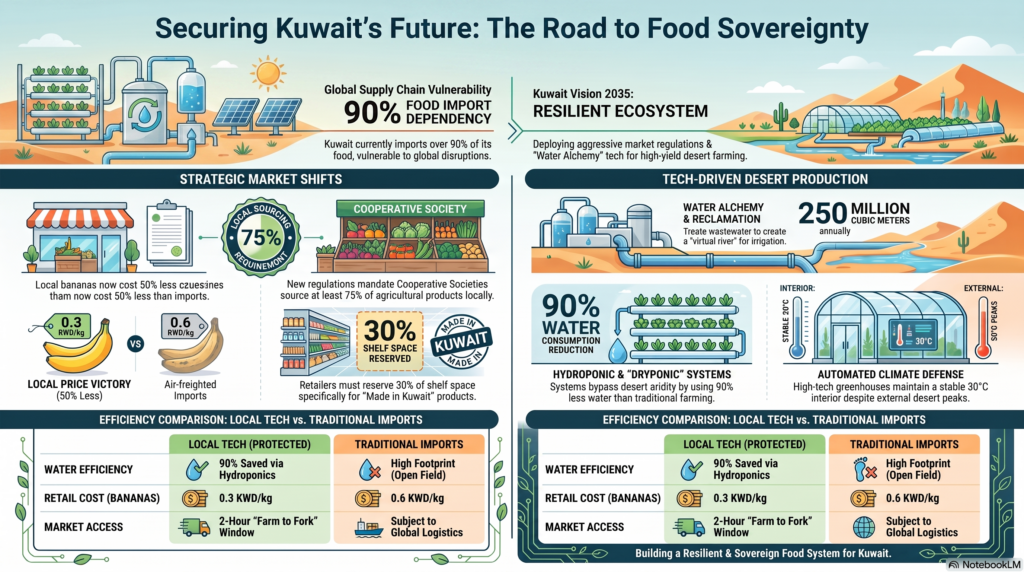
Exhibit 1: Kuwait’s Road to Food Sovereignty
Challenges in Water Management
- Overdrafting: Freshwater and brackish groundwater extraction rates far exceed natural recharge. Continued heavy extraction led to a 200-meter decline in groundwater levels by the year 2000.
- Salinization: The use of saline water (3,000 to 8,000 ppm) in arid conditions has led to the progressive salinization of approximately 4,080 ha of farmland.
- Cost Factors: Thermal desalination (Multi-Stage Flash evaporation) is energy-intensive, with fuel consumption accounting for nearly 50% of the water unit cost.
Wastewater Treatment Infrastructure
The Al Sulaibiya plant is one of the world’s largest and most advanced Reverse Osmosis (RO) wastewater facilities, designed to produce 425,000 m³/day. This high-quality effluent is critical for expanding irrigation without further depleting aquifers.
Farming Technologies
To overcome the 50°C summer peaks, Kuwait has transitioned to modern facility agriculture.
Greenhouse and Cooling Systems
Farmers utilize automated greenhouse systems, largely imported from China, to maintain internal temperatures below 30°C.
- Equipment: Technologies include steel frames, plastic roofing, automated water-cooling systems, circulating fans, and electric tricycles/tractors for farm logistics.
- Drip Irrigation: Localized irrigation was introduced in 1979 to maximize water efficiency in greenhouses and open fields.
Current Technological Integration
- “Alsini” Geopolitical Pivot: Rapid integration of Chinese “facility agriculture” technology, facilitated by the Belt and Road Initiative (BRI). This marks a strategic transition from Western-centric dependency to Eastern-aligned infrastructure.
- Automated Climate Defense: Implementation of Chinese-manufactured automated greenhouse cooling systems and circulating fans that maintain internal temperatures below 30°C, despite external summer peaks of 50°C.
- Structural Shielding: Deployment of industrial-grade steel frames and plastic roofing to protect crops from the environmental “war of attrition.”
- Optimized Resource Logistics: Utilization of advanced drip irrigation (standardized since 1979) and high-efficiency electric tricycles and tractors for localized farm distribution.
Future Advancements in Desert Farming
- AI-Driven Climate Synthesis: Advancing from basic automation to AI-managed environments that surgically monitor CO2 levels, airflow, and humidity for maximum yield.
- Autonomous Harvesting Robotics: Strategic integration of robotic labor to mitigate the current structural risk of a 99% dependency on expatriate labor within the agricultural workforce.
- Blockchain “Farm to Fork” Integration: Implementing distributed ledger technology to track produce from harvest to retail, ensuring delivery within a two-hour window to maximize nutritional integrity.
These systemic upgrades shift the agricultural paradigm from a reactive struggle against biology to a proactive, controlled engineering environment.
2. Efficiency Architecture: Protected Agriculture and Vertical Systems
“Protected Agriculture” is a strategic imperative for Kuwait, required to bypass an environment where annual rainfall is a negligible 121 mm. By creating climate-isolated ecosystems, the state can negate the effects of extreme evapo-transpiration rates—which range from 3.0 to 14.1 mm per day—that would otherwise render traditional farming a war of attrition. This architecture allows production to scale in specific geographic zones, from the deep, superior sandy soils of Al Sulaibiya to the more challenging, waterlogged terrains of Al Wafra.
Current Efficiency Benchmarks
Vertical Farming & Automated Greenhouses
In 2019, Kuwait launched the Middle East’s first large-scale indoor vertical farm.
- Water Management: Deployment of “Dryponics” systems, resulting in a 90% reduction in water consumption compared to traditional open-field methods- to grow 250 varieties of greens and herbs.
- Efficiency: The 3,000 m² facility consumes 90% less water, 60% less fertilizer, and zero pesticides compared to traditional methods.
- Nutrient Precision: Advanced vertical facilities utilize 60% less fertilizer while maintaining zero pesticide usage, eliminating the need for nutritional-degrading “chlorine washing.”
- Commercial Scalability: Proven production capacity of 550 kg of daily output from 3,000 m² facilities, demonstrating the viability of the “Sky Harvest” model.
- Geographic Optimization: Concentrating specialized cattle and poultry in Al Sulaibiya to leverage soil quality, while utilizing high-tech facilities in Al Abdali and Al Wafra to overcome local soil “gutch” (hard pan) layers.
The Future Generation of Protected Systems
- Hyper-Local Urban Micro-Farms: Decentralized farming modules integrated into urban infrastructure to collapse the supply chain to the point of consumption.
- Integrated “Biofloc” Loops: Synergistic aquaculture-hydroponic systems, exemplified by the Kuwait Institute for Scientific Research (KISR) producing 20g chemical-free shrimp.
- Carbon-Capture Enrichment: Re-routing industrial carbon emissions into greenhouse environments to accelerate plant photosynthesis and increase biomass.
This transition from resource efficiency to systemic resilience is best evidenced by the expanding diversity of the national crop portfolio.
3. Economic Diversification: Cultivating Crop Diversity for Resilience
Kuwait is achieving an “Economic Flip” as high-tech domestic cultivation begins to undercut the pricing of air-freighted imports. By institutionalizing an Import Substitution Strategy, the state is enhancing shelf life and nutritional density while insulating the domestic market from the high carbon costs and price shocks of international logistics. This transformation, led by entities like Yasmin Farms and forward-thinking investors, is turning agriculture into a capital-intensive strategic asset.
Current Diversification Milestones
- Tropical Fruit Breakout: Under the leadership of farmers like Sari Al-Azmi, Al Wafra now hosts over 20,000 banana trees, along with citrus, pomegranates, and dragon fruit.
- Specialty Leafy Greens: Commercial-scale production of over 250 varieties, with a specific strategic focus on high-demand Thai and purple basil.
- High-Value Berry Success: Year-round strawberry production in climate-controlled complexes supported by state subsidies.
- The Price Victory: Locally grown bananas are priced at 0.3 KWD/kg, representing a 50% reduction compared to the 0.6 KWD/kg cost of air-freighted imports.
Future Crop Strategic Priorities
- Drought-Resistant Protein Alternatives: Expanding Biofloc shrimp and aquaculture clusters to provide sustainable animal protein without antibiotic dependency.
- Pharmaceutical and Medicinal Flora: Utilizing high-tech facilities to grow specialized herbs for essential oils and medical applications.
- Climate-Resilient Staple Clusters: Concentrated production of calorie-dense staples like potatoes, eggplants, and peppers to ensure long-term caloric sovereignty.
The viability of this diverse agricultural output is ultimately predicated on Kuwait’s ability to engineer non-conventional water security.
4. Water Alchemy: Engineering Non-Conventional Resource Security
In a nation with zero renewable freshwater, water management is a process of “Water Alchemy”—the creation of a sustainable “virtual river.” Kuwait has moved beyond energy-intensive seawater desalination to a sophisticated hydraulic cycle of reclamation. This engineering foundation is critical to reversing the legacy of groundwater depletion, which saw levels in some regions drop by 200 meters due to historic overdrafting.
Current Non-Conventional Water Infrastructure
- Al Sulaibiya RO Plant: One of the world’s premier Reverse Osmosis facilities, treating wastewater to high-quality irrigation standards with a capacity of 425,000 m³ per day.
- Strategic Wastewater Reclamation: Leveraging a 90% centralized sewerage connection to generate 250 million cubic meters of treated wastewater annually.
- Brackish Groundwater Management: Controlled extraction from the Damman and Dibdibba formations (part of the Hasa and Kuwait group aquifers) for livestock and landscape requirements.
- Operational Constraints
- Salinization Risks: Supplemental irrigation water containing 3,000 to 8,000 ppm of salt has historically impacted 4,080 ha of land, necessitating advanced technological mitigation.
- Desalination Inefficiency: Traditional thermal (Multi-Stage Flash) desalination remains highly sensitive to energy prices, with fuel costs representing 50% of water production expenses.
Future Hydrologic Technologies
- Solar-Powered Desalination: Shifting the energy burden of water production to renewable solar arrays to decouple water costs from oil price volatility.
- Atmospheric Water Extraction (AWG): Deploying modular units to harvest potable and irrigation water directly from the humid coastal atmosphere.
- Advanced Aquifer Recharge: Utilizing high-pressure injection technology to replenish the Damman and Dibdibba formations, combating salinization and restoring natural reserves.
These hydrologic strategies provide the essential foundation for Kuwait Vision 2035, ensuring that the desert’s transformation into a productive hub is both permanent and prosperous.
Review Of Local Food Supply Chains
The Kuwaiti agricultural model is shifting toward a “Farm to Fork” strategy to ensure maximum freshness and nutritional value.
- Speed to Market: High-tech partnerships (e.g., Kuwait Agro and &ever) enable produce to move from the farm to retail shelves within two hours.
- Retail Presence: Locally grown, pesticide-free produce is distributed through major outlets, including The Sultan Center, Lulu Hypermarkets, Carrefour, and over 30 local cooperatives.
- Price Competitiveness: Local production is successfully undercutting the price of air-freighted imports while offering a longer shelf life due to the elimination of long-distance transport and chlorine washing.
Current Local Food Supply Chains
- High Import Dependency: Kuwait currently imports over 90% of its food, making its supply chains highly vulnerable to international market fluctuations and export bans from major suppliers.
- Regulated Sale Points (Cooperative Societies): As of February 2025, new regulations require that at least 75% of agricultural products sold in Cooperative Societies must be locally produced.
- Structured Procurement and Pricing: To ensure transparency and farmer support, local products must be purchased through daily auctions using digital invoices. Additionally, 30% of retail space is now reserved for local goods, with profit margins capped at 20%.
- Technological Integration: To overcome arid conditions and water scarcity, Kuwait is investing in agri-technology, such as hydroponic farming, which uses 90% less water than traditional methods.
- Aquaculture Potential: The local fishing and aquaculture industry is a key focus area, with the potential to eventually meet 50% of the nation’s fish consumption needs.
- Government Oversight: Key institutions such as the Public Authority for Industry (PAI) and the Public Authority for Food and Nutrition (PAFN) manage the strategic development and safety of these supply chains.
- Institutional Support: The Public Authority for Agricultural Affairs and Fish Resources (PAAFR) manages economic development and food security. Financial support is funneled through the Industrial Bank of Kuwait (IBK), which provides soft loans for agricultural investment. Support also includes subsidized water, electricity, and land for qualified greenhouse operators.
References:
Public Authority for Industry (2024). ‘Made in Kuwait’ campaign to promote national products. Times Kuwait. https://timeskuwait.com/made-in-kuwait-campaign-to-promote-national-products/
German Emirati Joint Council for Industry & Commerce (AHK) (2025). Kuwait: Food Security and a Thriving F&B Sector in Focus. https://vae.ahk.de/en/key-topics/food-and-agriculture/extra-ks-seiten/kuwait
Ali Bahbahani & Partners (2026). Kuwait Food Security: Risks and Strategic Options. https://www.alibahbahani.com/blogs/securing-kuwaits-food-future-amid-global-challenges
Public Authority for Food and Nutrition (PAFN). http://www.pafn.gov.kw